

What's on this page
- What a commercial slicer costs
- Illustrative cost by slicer type
- Manual gravity-feed slicers
- Automatic and semi-automatic slicers
- Blade size and what it changes
- Blade material: carbon steel versus stainless
- Light duty versus heavy duty slicers
- What drives the cost of a commercial slicer
- Safety guards and interlocks
- Electrical requirements
- Cleaning routine and food-safety requirements
- Slicer accessories: spare blades, cheese blades, and sharpening stones
- Where the first slicer dollar goes
- New versus used commercial slicers
- Maintenance items that actually fail
- Sizing a slicer to your menu
- Cost of ownership per pound sliced
- Warranty, service, and the parts that fail
- Lease versus buy on a slicer purchase
- Common mistakes that inflate the number
- A worked example: a deli counter and a sandwich shop
- The bottom line
Short answer: Illustratively, a light manual gravity-feed slicer with a 10-inch blade runs near $650, a standard 12-inch manual slicer near $950, a heavy-duty 12-inch manual slicer near $1,400, a 12-inch semi-automatic slicer near $2,100, a deli combo slicer with a cheese blade near $2,600, a 13-inch automatic slicer near $3,200, a heavy-duty 13-inch automatic slicer near $4,300, and a premium 14-inch heavy-duty automatic slicer near $5,600. A blade and sharpening kit, delivery, and the first year of service add a further 10 to 20 percent on top of the machine.
A slicer looks like one of the simpler machines on a prep line: a spinning blade, a carriage, and a gauge plate. It is also a machine where blade size and how much of the slicing motion the operator still does by hand split the category into several genuinely different purchases. A 10-inch manual unit slicing a sandwich shop’s deli meat by hand and a 14-inch automatic unit running a butcher counter’s volume through on its own are both called a slicer, and they sit roughly eight to one apart in price for reasons that have little to do with brand.
This case study prices commercial slicers by class and blade size, explains what actually separates a manual slicer from a semi-automatic and an automatic machine, and then prices everything a slicer purchase drags along with it: the blade and sharpening kit, delivery, and the first year of service. Every figure here is an illustrative planning shape rather than a quote. If you want the same arithmetic run on your own blade size and volume, the equipment ROI calculator and the companion beside this case study run it live.
Key takeaways
- Slicers span roughly eight to one. Illustratively a light manual 10-inch slicer runs near $650, a standard 12-inch manual slicer near $950, a heavy-duty 12-inch manual slicer near $1,400, a 12-inch semi-automatic slicer near $2,100, a deli combo slicer near $2,600, a 13-inch automatic slicer near $3,200, a heavy-duty 13-inch automatic slicer near $4,300, and a premium 14-inch heavy-duty automatic slicer near $5,600.
- Size to the product you slice most, not the largest item you might someday run. Blade diameter sets the maximum product diameter a single pass clears.
- The machine is roughly four fifths to six sevenths of its own first-year cost. On the worked package in this case study, a $3,200 automatic 13-inch slicer carries about $300 of blade kit, delivery, and service on top before it slices a single pound.
- Manual, semi-automatic, and automatic slicers solve different labor problems. A manual slicer ties an operator to the carriage for every slice; an automatic slicer frees that operator to portion and plate while the carriage runs itself.
- Judge a slicer on cost per pound sliced, not on sticker. The illustrative worked example here lands at about five cents a pound once a real daily volume runs across it, and the blade's resharpening life, not the motor, decides how many of those pounds the machine actually gives you.
What a commercial slicer costs
How much does a commercial slicer cost? Illustratively, a light manual gravity-feed slicer with a 10-inch blade runs near $650, a standard 12-inch manual slicer near $950, a heavy-duty 12-inch manual slicer near $1,400, a 12-inch semi-automatic slicer near $2,100, a deli combo slicer with a cheese blade near $2,600, a 13-inch automatic slicer near $3,200, a heavy-duty 13-inch automatic slicer near $4,300, and a premium 14-inch heavy-duty automatic slicer near $5,600. Those are machine prices for new units of ordinary specification, before anything a kitchen needs to actually put the slicer to work.
The reason a single average is close to useless here is that the word slicer covers a hand-fed manual box on one end and a motor-driven automatic machine with its own duty cycle rating on the other. Price the class first, then the blade size inside that class, and the number stops being a guess. Our commercial kitchen equipment case study prices the slicer as one line inside a whole prep equipment budget; this case study is the zoomed-in version of that one line.
Illustrative cost by slicer type
Lay the classes on one axis and the spread explains itself. The chart below sketches illustrative purchase figures across the common commercial slicer types, from a 10-inch manual unit to a 14-inch premium automatic machine. Treat them as planning shapes. Any specific machine can land outside its band depending on motor rating, carriage build, and blade metallurgy.
Illustrative machine cost by slicer type
Typical purchase cost for a new slicer of each class, before the blade kit, delivery, and service. Shape, not a quote.
Notice that a 12 inch semi-automatic slicer costs roughly $700 more than a heavy-duty 12 inch manual slicer with a comparable blade. The gap is a motor and carriage drive doing part of the operator's job, not a nicer badge on the same machine.
The middle of that range is where most delis and sandwich shops actually shop. Between a heavy-duty manual slicer and a 13-inch automatic unit there is about $1,800 of machine price, and that single step changes how much of the slicing motion a person has to do by hand through a long shift. Run your own class and blade size through the companion beside this case study and the band collapses into one planning number.
Manual gravity-feed slicers
A manual gravity-feed slicer tilts the product carriage on an angle so gravity pulls it against the blade as the operator pushes the carriage back and forth by hand for every slice. It is the simplest class on the market, with the fewest moving parts and the lowest price for a given blade size.
Illustratively, a light 10-inch manual slicer runs near $650 and suits an occasional-use kitchen slicing modest volumes of deli meat or vegetables. A standard 12-inch manual slicer near $950 is the common choice for a small deli counter or sandwich shop running steady but not high volume, and a heavy-duty 12-inch manual slicer near $1,400 adds a stronger motor and a sturdier carriage built for daily use across a longer shift. The tradeoff across the whole manual class is the same one: full control over slice thickness and pace, at the cost of tying an operator to the carriage for every single slice.
Automatic and semi-automatic slicers
A semi-automatic slicer powers the carriage back and forth with a motor while the operator still loads the product, sets the thickness, and guides the process, trading some operator effort for machine-driven consistency. Illustratively a 12-inch semi-automatic slicer runs near $2,100, a meaningful step up from a comparable manual machine.
A fully automatic slicer goes further, driving the carriage at a set speed so the operator is free to portion, weigh, or plate the slices as they come off rather than working the carriage by hand through the whole job. Illustratively a 13-inch automatic slicer runs near $3,200, a heavy-duty version built for continuous daily volume near $4,300, and a premium 14-inch heavy-duty automatic machine near $5,600. A high-volume deli or a catering operation slicing large quantities daily recovers the premium in labor time, because the person who would otherwise be working the carriage is free to do other prep work while the machine runs.
Blade size and what it changes
Blade diameter, measured across the circular blade itself, sets the maximum product diameter a single pass through the slicer can clear. A 10-inch blade handles most deli meats, cheese, and vegetables a sandwich shop needs without repeated passes. A 12-inch blade is the common middle ground for a general deli counter slicing a mix of product sizes. A 13 to 14-inch blade is built for a butcher counter or a high-volume deli slicing large cuts, bone-in product, or wide loaves that would need several awkward passes on a smaller blade.
A blade too small for the product it regularly slices forces repeated passes or awkward angled cuts that waste time and produce inconsistent slices, while a blade larger than the product needs adds cost without buying anything the kitchen will use. Measure the largest item the slicer will handle regularly, not occasionally, before picking a blade size.
Blade material: carbon steel versus stainless
A carbon steel blade takes and holds a sharper edge than a stainless blade of the same geometry, which is why traditional butcher shops slicing dense product daily often favor it. The tradeoff is that carbon steel stains and corrodes faster without careful drying and light oiling between uses, since acidic or wet product left on an unprotected carbon edge can mark it within hours.
A stainless steel blade resists corrosion and staining far better and holds up against varied, wetter product without the same daily care routine, which makes it the more common choice in a general deli or sandwich operation handling a mix of meats, cheeses, and vegetables. Blade material does not move a slicer’s purchase price by much on its own; it is a maintenance-routine decision more than a budget one.
Light duty versus heavy duty slicers
Duty rating separates two slicers that can share the same blade size and look similar in a catalog photo. A light-duty slicer is built for intermittent use, perhaps an hour or two of actual slicing spread across a shift, with a smaller motor and lighter carriage components sized to that lighter workload. A heavy-duty slicer is built for continuous or near-continuous daily use, with a larger motor, a sturdier carriage track, and bearings rated for a longer duty cycle.
A kitchen that runs its slicer for twenty minutes a day and one that runs it for several hours a day are buying different machines even when the spec sheets list the same blade diameter, and buying light-duty for a heavy-duty job is one of the more common ways a slicer purchase under-delivers on its expected working life.
Duty rating also shows up in a machine’s gearing and bearing quality, parts that rarely appear on a basic spec sheet but that decide how smoothly a carriage runs after a thousand cycles compared to after ten thousand. A light-duty machine pushed into heavy-duty service does not usually fail all at once; it slows down, develops play in the carriage, and starts producing uneven slices months or years before it stops running altogether, which is why matching the duty rating to the actual workload up front is cheaper than discovering the mismatch through worn parts later.
What drives the cost of a commercial slicer
Five factors move a slicer’s price inside its class: blade diameter, automation level, motor rating, carriage and build quality, and blade material. Blade diameter and automation level usually dominate what a buyer compares machine to machine, but carriage build quality is what actually determines whether a machine holds smooth, consistent slices after a few years of daily use or starts to bind and produce uneven cuts well before its motor shows any sign of strain.
Gauge plate design and the thickness adjustment mechanism add a smaller but real amount to cost. A simple mechanical dial costs less than a finely graduated, repeatable thickness control, and the finer control matters more to an operation portioning deli meat to a target weight than to one slicing vegetables where exact thickness matters less.
Safety guards and interlocks
Safety guards are not optional equipment on a commercial slicer, and most jurisdictions require them as a condition of sale or certification. A blade guard covers the portion of the blade not actively engaged in cutting, a hand guard on the carriage keeps fingers away from the blade during normal operation, and an interlock on some models stops the blade when the carriage is moved to certain positions for cleaning.
These guards add a modest amount to a machine’s cost over an uncertified unit, and they are not a line to shop around, because a slicer blade spinning at operating speed causes severe injury in a fraction of a second and the guard is the one part standing between a distracted moment and that injury. Train every operator on the guard’s correct use and on the slicer’s cleaning procedure with the blade properly locked or removed, since cleaning is when most slicer injuries actually happen.
Electrical requirements
A light manual or semi-automatic slicer typically plugs into a standard outlet without issue, drawing current comparable to most small countertop kitchen appliances. A heavy-duty automatic slicer with a larger motor can draw enough current that a dedicated circuit is worth confirming against the panel, particularly in a kitchen where the slicer would otherwise share a circuit with a mixer, a toaster, or other prep equipment already drawing load nearby.
Confirm the voltage and amperage on the data plate against what the panel can actually deliver before the machine arrives. Where the panel already has spare capacity this is a non-issue; where it is full, resolving it becomes an electrical project to schedule ahead of the slicer’s delivery date rather than a surprise discovered the morning it arrives.
Cleaning routine and food-safety requirements
A slicer’s open blade and carriage are exactly the kind of equipment a health inspector looks at closely, because raw and ready-to-eat product can both pass across the same surfaces within the same shift. Most jurisdictions require a slicer to be fully broken down and sanitized at least daily, and more often where it alternates between raw and cooked or ready-to-eat product through a shift, since cross-contamination risk is the whole reason the rule exists.
A full breakdown means removing the blade guard, the gauge plate, and any removable carriage parts to clean every surface the blade and the product actually touch, not just wiping the visible plate. This is also the point in the routine where most slicer injuries happen, because a blade exposed for cleaning is a blade with none of its normal guards in place. Lock out or remove the blade according to the manufacturer’s procedure before cleaning begins, every time, regardless of how familiar the task feels after the hundredth repetition.
Illustratively, the daily cleaning routine itself costs nothing beyond labor time, roughly ten to fifteen minutes done properly, but skipping it or rushing it is how a slicer becomes the failed item on a health inspection rather than the quiet background appliance it is supposed to be. Our guide to passing a health inspection covers the broader standard a slicer, like every piece of food-contact equipment, has to meet.
Slicer accessories: spare blades, cheese blades, and sharpening stones
A slicer purchase commonly leaves room for a small family of accessories beyond the base machine, and the right ones change what the machine can actually do for a menu. A dedicated cheese blade, with a different tooth geometry than a standard meat blade, handles semi-soft and hard cheese without the tearing or gumming a meat-ground blade produces on dairy product. A bread blade, serrated rather than smooth, extends a slicer into bakery or sandwich-bread work a standard blade handles poorly.
A sharpening stone attachment, built into many slicers or sold separately for others, lets a kitchen maintain its own edge between professional sharpening visits rather than running a dulling blade for weeks until a technician is scheduled. Illustratively this adds a modest amount to the purchase, commonly folded into the blade and sharpening kit line used throughout this case study, and it is one of the better small additions a busy deli counter can make, since a quick in-house touch-up between full sharpenings keeps slices clean and reduces product waste in the meantime.
A spare blade is worth budgeting even on a light-duty purchase, because a slicer with its only blade out for professional sharpening is a slicer that cannot work at all until it returns. Keeping a second blade in rotation means sharpening never takes the machine fully offline.
Where the first slicer dollar goes
Zoom out and the slicer itself is the large majority of its own first-year cost. The stacked bar below splits the first-year total for the 13-inch automatic slicer worked example used throughout this case study: the slicer at $3,200, a blade and sharpening kit at $160, delivery at $140, and first-year service at $220, for a first-year total near $3,720.
Where the first slicer dollar goes
Illustrative first-year split for the 13-inch automatic slicer worked example, summing to 100 percent.
Unlike a griddle or a hood, a slicer carries no code-mandated ventilation or suppression package, so the sticker price here is close to the whole first-year story once the blade kit and service are added.
That shape puts a slicer close to a mixer in how its budget breaks down, because both are self-contained machines with no ventilation or fire-suppression package riding along with them. The line a budget most often forgets is the spare blade and the sharpening service, since a dull blade does not just slice poorly, it pushes rather than cuts, which tears product and wastes more of it than a sharp blade ever would.
New versus used commercial slicers
Used slicers are common in the secondhand equipment market, because a slicer’s core mechanism, the carriage track and the blade drive, is simple and durable when it has been cleaned and oiled on a regular schedule. A used automatic slicer can often be found for a meaningful discount from a closing deli, a dealer, or an equipment auction.
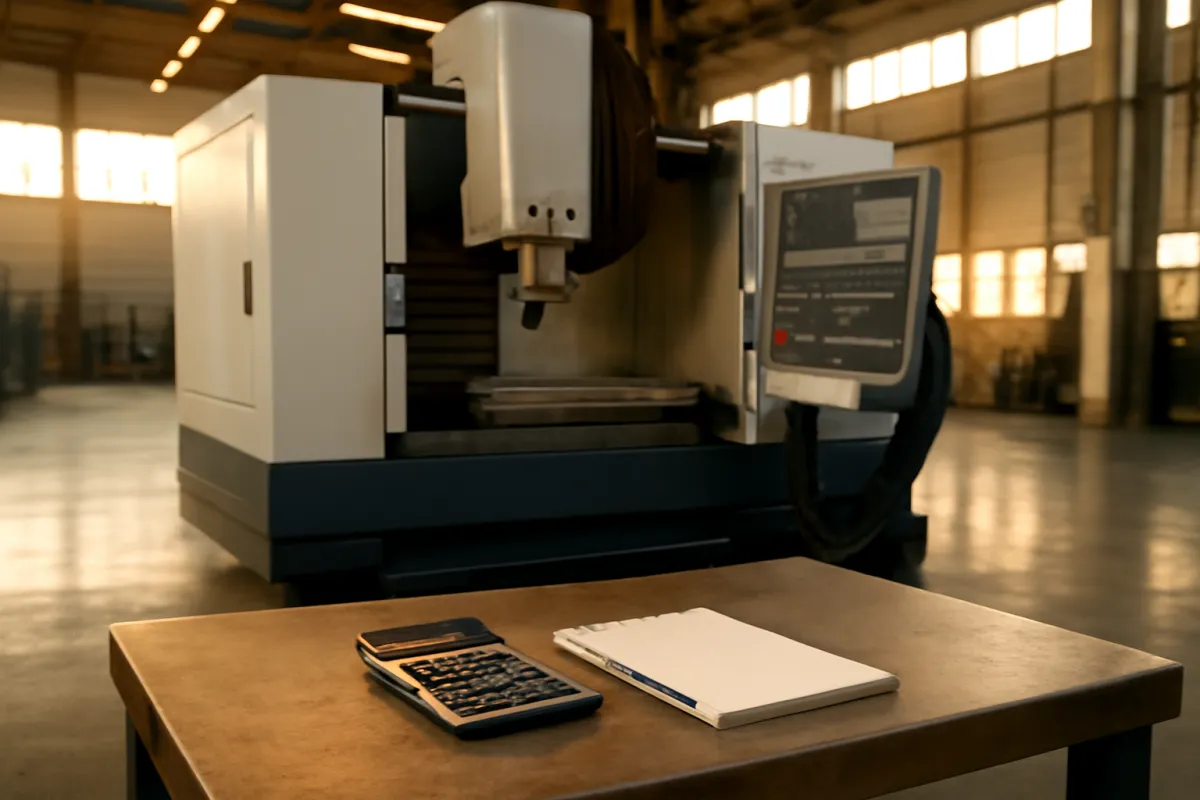
The part to inspect before anything else is the blade and the carriage action. Check the blade’s edge and surface for pitting, warping, or wear that has already eaten into its resharpening margin, since a blade worn too thin is a near-term replacement regardless of how well the rest of the machine runs. Run the carriage back and forth by hand, feeling for binding, grinding, or play in the track, and confirm the gauge plate still returns reliably to a true zero setting. A machine that passes those checks and comes with a service history is usually a sound buy; one with a visibly pitted or thinned blade is buying a replacement blade cost hidden inside what looks like a bargain.
Maintenance items that actually fail
A commercial slicer fails in a short, predictable list of places. The blade dulls with use and needs regular sharpening on the schedule the manufacturer recommends; a blade run too long past its sharpening interval pushes through product rather than cutting it cleanly, tearing slices and wasting more product than a sharp blade would. The carriage track accumulates food debris and dried residue if not cleaned thoroughly after every use, and a dirty track eventually binds or runs unevenly.
The gauge plate and thickness adjustment mechanism wear with years of use and can drift out of a true zero, which shows up as portions that run heavier or lighter than the dial suggests. On automatic and semi-automatic units, the carriage drive belt or gear eventually wears and needs replacement. None of these are expensive individually when caught early; a blade pushed well past its sharpening limit and then forced through dense product is the one most likely to damage the motor along with itself.
Sizing a slicer to your menu
Size a slicer to the product you slice most often, not to the largest item you might someday run through it. A blade diameter larger than what your regular product needs adds cost without adding anything the kitchen will use day to day, while a blade too small for regular use forces repeated passes and awkward angled cuts that waste labor time and produce inconsistent slices.
A sandwich shop slicing deli meat and cheese in modest daily volume is usually well served by a 10 to 12-inch manual or semi-automatic machine. A butcher counter or a high-volume deli slicing large cuts, bone-in product, or running significant daily pound volume should size up to a 13 to 14-inch automatic machine, both for the blade diameter and for the labor savings an automatic carriage buys across a long shift.
Volume matters as much as product size in this decision. A kitchen slicing a few pounds a day rarely justifies the premium an automatic machine carries, because the labor it saves per slicing session is small when the sessions themselves are short and infrequent. A kitchen slicing dozens of pounds daily across a long service window recovers that premium quickly, since every minute an automatic carriage frees an operator from standing at the machine is a minute that operator spends on other prep, portioning, or service work instead.
Cost of ownership per pound sliced
Cost per pound sliced is the number that compares a $650 manual slicer against a $5,600 premium automatic machine honestly, because it folds the machine, the blade kit, delivery, and ongoing service into one figure you can set against how many pounds actually cross the blade.
On the illustrative 13-inch automatic worked example in this case study, an installed package near $3,500 plus about $220 of first-year service, spread over ten years and across 40 pounds a day for 300 days a year, roughly 12,000 pounds annually, works out to about five cents of cost per pound sliced. Push the same machine to 70 pounds a day and the per-pound cost falls further, because the machine and its install cost are fixed while the pounds dividing them keep growing. Run your own daily volume through the companion beside this case study to see where your own number lands.
Warranty, service, and the parts that fail
Slicer warranties commonly separate the motor and carriage drive from the blade and gauge plate, and the motor warranty term is the one worth reading closely on an automatic machine, since the motor is the part doing the most continuous work on that class. A manual slicer’s warranty usually centers on the carriage track and the blade drive, since those are its only moving parts beyond the blade itself.
What actually fails, roughly in order of frequency, is the blade reaching the end of its safe sharpening life, the carriage track binding from inadequate cleaning, the gauge plate drifting out of true zero, and on automatic units, the carriage drive belt or gear wearing out. Before buying any class of slicer, ask who services that platform locally, how quickly they can sharpen or replace a blade, and whether they stock carriage and drive parts for it. A slicer down during a lunch rush is a missed shift of portioned product, not a slow one.
Lease versus buy on a slicer purchase
A manual or semi-automatic slicer is usually small enough to buy outright, because financing fees on a purchase under roughly fifteen hundred dollars commonly cost more than the cash does sitting in the business for a few months. A heavy-duty automatic slicer, especially one bought as part of a wider prep equipment package alongside a mixer or a food processor, is large enough that the lease-versus-buy question is worth running properly.
The honest comparison is the total cost of financing against what that cash would otherwise earn or protect in the business, not the monthly payment against the sticker price. Leasing preserves working capital during a kitchen’s early, cash-tight months and can bundle blade sharpening service into the payment; buying ends the payments sooner and leaves an asset with a modest residual value, since a used slicer’s resale is real but rarely large relative to its new price. Our lease versus buy payback math works through the arithmetic in full, and our restaurant equipment financing case study covers the funding routes. Tax treatment of equipment purchases and leases differs and changes over time, so put a qualified accountant between you and the assumption.
Common mistakes that inflate the number
The first mistake is buying blade diameter for a hypothetical future product rather than for what the menu actually slices today, which pays for capacity the kitchen rarely uses. The second is skipping the blade and sharpening budget entirely, which turns into torn product and wasted labor the first week the original edge dulls.
The third is ignoring the electrical capacity question on a heavy-duty automatic model until the machine is sitting on the counter with nowhere adequate to plug in. The fourth is buying used without checking the blade’s remaining sharpening margin and the carriage’s smoothness, which are the two checks that actually tell you what you are buying. The fifth is cleaning or adjusting the blade without locking or removing it first, the single most common cause of a slicer injury and one a proper training routine eliminates entirely.
A worked example: a deli counter and a sandwich shop
Take a neighborhood deli counter slicing a steady daily volume of meat and cheese for sandwiches and platters. It buys a 13-inch automatic slicer at $3,200, adds a spare blade and sharpening kit for $160, pays $140 for delivery, an installed package near $3,500. First-year service and sharpening adds about $220, for a first-year total near $3,720. Running 40 pounds a day across 300 days, about 12,000 pounds a year, the ten-year total near $5,700 works out to about five cents a pound.
Now a smaller sandwich shop slicing lightly: a modest daily run of deli meat for a short, focused menu. It buys a standard 12-inch manual slicer at $950, skips the spare blade for now, pays $90 for delivery, an installed package near $1,040. At 12 pounds a day across 300 days, about 3,600 pounds a year, and roughly $150 of first-year sharpening and service, the per-pound cost lands noticeably higher than the deli’s, because the installed package is spread across far fewer pounds even though the machine itself cost less.
The comparison is the lesson. The deli’s machine costs more than three times the sandwich shop’s, but because it slices more than three times the volume, its cost per pound is not proportionally higher. Size and utilization move together, and the slicer that looks cheaper on the invoice is not always the one that costs less to run. Run your own blade size and daily volume through the equipment ROI calculator to see where your own kitchen lands.
The bottom line
How much does a commercial slicer cost? Illustratively $650 for a light manual 10-inch slicer, $950 for a standard 12-inch manual slicer, $1,400 for a heavy-duty 12-inch manual slicer, $2,100 for a 12-inch semi-automatic slicer, $2,600 for a deli combo slicer, $3,200 for a 13-inch automatic slicer, $4,300 for a heavy-duty 13-inch automatic slicer, and $5,600 for a premium 14-inch heavy-duty automatic slicer. Like a mixer, the machine itself is the large majority of what a slicer costs in its first year, with the blade kit, delivery, and service filling in the remaining share.
Operators who buy a slicer well do three things in order. They size to the product they slice most often, not the largest item they might someday run, because an undersized blade forces awkward repeated passes and an oversized one wastes capital. They budget the spare blade and the sharpening schedule from the first draft rather than discovering a dull edge tearing product mid-shift. And they judge the whole purchase on cost per pound over the planning life of the blade, where a more expensive automatic machine run hard often beats a cheaper manual one run lightly once labor time is counted.
Place the slicer inside the whole kitchen budget with our commercial kitchen equipment case study, check the full spec reference with our commercial kitchen equipment list, weigh a used machine with our used versus new equipment case study, and see where a mixer’s purchase lands with our commercial mixer cost case study, so the slicer line arrives as a plan rather than a surprise.
This case study was written for an operator pricing a slicer purchase, and it is educational material rather than engineering, financial, tax, or legal advice. It names no brand, model, dealer, installer, or lender. Every slicer price, blade kit figure, delivery estimate, service cost, cost-per-pound figure, and percentage split appearing above is an illustrative sketch built to show how a slicer purchase is priced and run, and a real machine is quoted on its own class, blade diameter, motor rating, and service terms. Electrical capacity and food-safety handling requirements are governed by local electrical and health codes that vary by jurisdiction and change over time, and your local authority having jurisdiction and a licensed electrician are the only sources that can tell you what applies to your kitchen. Gather written quotes from licensed dealers and current pricing from your own suppliers, and put a qualified professional between you and any purchase, lease, or installation you commit to.
Frequently asked questions
How much does a commercial slicer cost?
Illustratively, a light manual gravity-feed slicer with a 10 inch blade runs near six hundred fifty dollars, a standard 12 inch manual gravity-feed slicer near nine hundred fifty, a heavy-duty 12 inch manual slicer near fourteen hundred, a 12 inch semi-automatic slicer near twenty one hundred, a deli combo slicer with a cheese blade near twenty six hundred, a 13 inch automatic slicer near thirty two hundred, a heavy-duty 13 inch automatic slicer near forty three hundred, and a premium 14 inch heavy-duty automatic slicer near fifty six hundred. Blade size and how much of the slicing motion the machine handles for you move the number more than almost anything else.
What size slicer do I need?
Size a slicer to the product you slice most, not to the largest item you might someday run through it. A 10 to 12 inch blade handles most deli meats, cheese, and vegetables a sandwich shop or small deli counter needs. A 13 to 14 inch blade suits a butcher counter or a high-volume deli slicing large cuts and bone-in product where a smaller blade would need repeated passes. Blade diameter sets the maximum product diameter a single pass can clear, so measure your largest regular item before picking a size.
What is the difference between a manual and an automatic slicer?
A manual gravity-feed slicer relies on an operator's hand to push the carriage back and forth across the blade for every slice, which gives full control over thickness and pace but ties a person to the machine for the whole job. An automatic slicer drives the carriage itself at a set speed, freeing the operator to portion, weigh, or plate the slices as they come off rather than working the carriage by hand. A semi-automatic slicer sits between the two, powering the carriage while still asking the operator to load and guide the product.
Carbon steel or stainless steel slicer blade, which is better?
A carbon steel blade takes and holds a sharper edge than stainless and is the traditional choice in butcher shops slicing dense product daily, but it stains and corrodes faster without careful drying and oiling between uses. A stainless steel blade resists corrosion and staining far better, holds up well against acidic or wet product, and is the more common choice in a general deli or sandwich operation where the blade sees varied product and less dedicated daily care. Neither blade material changes the machine's purchase price by much on its own.
Does a commercial slicer need a dedicated electrical circuit?
A light manual or semi-automatic slicer typically plugs into a standard outlet without issue, the same way most small countertop appliances do. A heavy-duty automatic slicer with a larger motor can draw enough current that a dedicated circuit is worth confirming against the panel before the machine arrives, particularly where it shares a circuit with other prep equipment already running. Confirm the voltage and amperage on the data plate against what your panel can deliver rather than assuming any outlet will do.
Is it worth buying a used commercial slicer?
Often yes, because a slicer's core mechanism, the carriage track and the blade drive, is simple and durable when it has been cleaned and maintained properly. The part to inspect before anything else is the blade itself and the carriage action: check the blade for pitting, warping, or excessive wear past its resharpening limit, and run the carriage back and forth feeling for binding or play. A used slicer with a flat, properly sharpened blade and a smooth carriage is usually a sound buy; one with a worn or heavily nicked blade is a near-term replacement cost hiding inside what looks like a bargain.
How long does a commercial slicer last?
A well maintained commercial slicer commonly gives ten years or more of service, and the part that usually limits its life is the blade itself once repeated sharpening has worn it below a safe diameter, or the motor on a heavy-duty automatic unit run past its rated duty cycle for years. A manual gravity-feed slicer with few moving parts beyond the carriage and the blade drive tends to outlast an automatic unit with a motor and gearing doing more of the work, provided both are cleaned and oiled on schedule.
Should I buy or lease a commercial slicer?
A single manual or semi-automatic slicer is usually small enough to buy outright, since financing fees on a purchase under about fifteen hundred dollars commonly outweigh what the cash would otherwise earn sitting in the business for a few months. A heavy-duty automatic slicer, especially one bought as part of a wider prep equipment package, is large enough that the lease versus buy math is worth running properly. Tax treatment of equipment purchases and leases differs and changes over time, so ask a qualified accountant about your own situation.